Dinner ends, and the group discovers it wants three different things: a performance, a quiet seat and a look at the casino floor. That need not spoil the evening. On a 2026 resort break, shared time can have a clear beginning and a flexible middle, connected by a meeting place that everyone can find without a chain of messages.
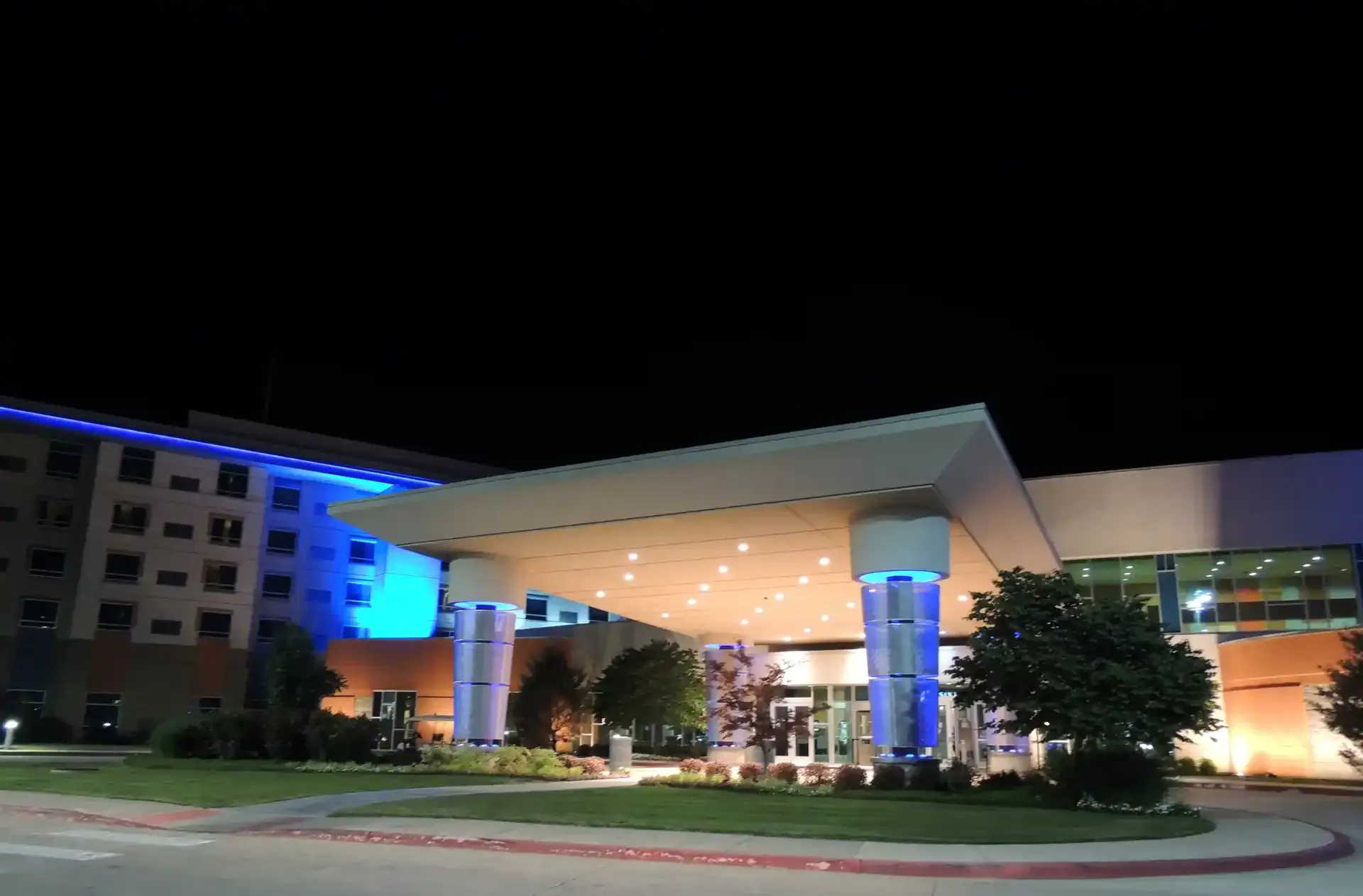
Choose the part you want to share
A resort evening works more comfortably when the group agrees on what matters most. That might be dinner, a drink afterwards or simply a conversation before separate activities. Name that shared part first. Otherwise an optional idea can gradually become an obligation because nobody wants to be the person who asks for a different plan.
Leave a gap after the meal before any fixed commitment. Paying, collecting a coat and finding the next room all take attention, particularly in an unfamiliar building. Check the actual arrangements for a performance or venue on the day. A general entertainment description cannot tell you the start time or entry conditions for your visit.
Make preference easy to express
- Invite a quiet alternative alongside the livelier option.
- Let guests decide after dinner if that suits the group.
- Agree that returning to the room needs no explanation.
Physical comfort can change the answer as the day unfolds. Someone who enjoyed a long walk may feel tired later, while a guest who rested may be ready to stay out. The lake day return article explains why the afternoon and evening should be planned as connected parts of the stay.
Pick a place, not a vague area
Meet near the lounge sounds clear until there are several entrances and nobody knows which side was intended. Choose a visible feature outside a busy route, then agree on a time window and a fallback message. A useful meeting point lets someone sit or wait comfortably without needing to buy another drink or follow a moving crowd.
| Place | Possible advantage | Check first |
|---|---|---|
| Lounge entrance | Easy to describe | Which doorway? |
| Seating area | A comfortable pause | Will it remain accessible? |
| Room return | No waiting around | How will you confirm arrival? |
Keep messages simple and considerate. A short note that plans have changed is more useful than a running commentary on every decision. If someone has already returned to the room, say whether the others should continue without waiting. Agree on the arrangement while everyone is together, rather than relying on a phone conversation in a noisy corridor.
Walk past the chosen meeting place together before separating if the building is unfamiliar. Seeing the same doorway removes an ambiguity that a message may leave behind. Also check that the route back to the room is understood, so nobody depends on another guest remaining out later than they wish.
- Choose one shared activity and one clear meeting point.
- Agree how long anyone should wait before messaging.
- Allow a direct return to the room as the fallback.
Let a casino visit remain a choice
A first look at a gaming floor can be observational. Ask staff where visitors may stand and what entry checks apply before joining any activity. Keep any entertainment spending separate from money needed for the stay. Nobody should have to participate to keep the group together, and leaving early should remain an ordinary option rather than a verdict on the evening.
A phone game is a separate choice too, not a substitute that everyone must watch. If curiosity turns to an unfamiliar screen, the demo round reading guide offers a way to examine its labels. A short screen break should still leave room for the conversation that brought people together.
Author’s opinion
I like evenings with one firm point of connection and plenty of permission to change the rest. A relaxed dinner and a clear return message can create more company than a tightly packed schedule. For me, the best resort evening is one in which a guest can choose the quiet option and still feel fully included in the trip.
By Guinevere Hazel Calderwood. Publisher: Kingsfisher Companion Intervals Quarterly.